How Effective is LinkedIn Advertising for B2B?


Want to know how effective is LinkedIn advertising in driving real results? It’s not just about impressions—it’s about reaching the right target audience with the right message.
For businesses focused on brand awareness and high-impact digital marketing strategy, LinkedIn offers a unique advantage.
But is a LinkedIn ad campaign truly worth the spend? Let’s find out.
Key Takeaways:
Why LinkedIn Still Punches Above Its Weight in B2B Advertising
LinkedIn isn’t trying to be everything to everyone, and that’s exactly what makes it effective.
It’s not a place where people scroll for memes or viral dances. It’s where professionals spend their time updating resumes, hiring teams, pitching services, or searching for solutions.
That context matters. It puts your ads in front of users who are already in a decision-making headspace.
And LinkedIn knows its audience. You’re not advertising to vague demographic buckets — you’re reaching people with verified job titles, industries, and company sizes.
It’s a platform that understands B2B buyers not just by who they are, but by what they do. In short, it’s built for intent, not just impressions.
Precision That Hits the Mark
This is where LinkedIn sets itself apart. It’s not just a professional network, it’s the only one purpose-built for reaching business decision-makers at scale.
Over 93% of B2B content marketers already use LinkedIn for organic campaigns. Why? Because the platform consistently attracts people with purchase power.
In fact, it’s the top-rated platform for professional hiring and corporate learning, meaning users are there with clear business goals in mind—not just passive browsing.
That kind of environment matters when you’re running ads.
Instead of spraying your message across a mix of personal interests and random hobbies, LinkedIn lets you zoom in on job titles, industries, seniority levels, and even specific companies.
You can even refine by skills or professional groups. Want to reach mid-level SaaS product managers at fintech firms with 200–500 employees? That’s not an impossible ask here. That’s Tuesday.
Accuracy matters because waste kills performance. When you advertise on platforms with broad audiences, you often pay for views that were never going to convert.
With LinkedIn, your dollars are aimed at people who can actually take action–whether that’s booking a demo, requesting a quote, or passing your info to their internal team.
The result? Fewer leads, maybe. But better ones. Ones that move.
LinkedIn also supports more advanced targeting for marketers who want to go deeper.
Lookalike audiences can be built from CRM data or website traffic, creating segments that resemble your best customers.
You can also use Matched Audiences to retarget people who’ve interacted with your content or visited key pages.
These tools aren’t just helpful…they’re often the difference between ad spend and ad results.
So, while other platforms might win in volume, LinkedIn wins in value. And that’s exactly why B2B marketers keep coming back.
How LinkedIn Ads Actually Perform (By the Numbers)

Before you decide if LinkedIn is worth the spend, you need to understand what success looks like.
These five metrics are your go-to indicators for whether your campaigns are actually working or just burning budget.
What to Track (and Why It Matters)
CTR (Click-Through Rate)
This tells you how many people clicked on your ad after seeing it. The higher the CTR, the more relevant your ad is. A strong CTR on LinkedIn typically falls between 0.4% to 0.65%, depending on your creative and audience size. If you’re below 0.3%, it’s time to tweak your message or target.
Formula:
CTR = (Clicks ÷ Impressions) × 100
CPC (Cost Per Click)
LinkedIn’s CPC runs higher than most platforms. The average in 2025 is around $7.26, with campaigns targeting senior decision-makers often hitting $8–$10 per click. It sounds steep, but you’re paying to get in front of the right people, not just anyone scrolling past.
Formula:
CPC = Total Spend ÷ Total Clicks
CPM (Cost Per 1,000 Impressions)
Expect to pay around $69 CPM on LinkedIn. This reflects the premium nature of the audience. It’s not cheap, but if your audience includes $100K+ decision-makers, that reach might be worth every penny.
Formula:
CPM = (Total Spend ÷ Impressions) × 1,000
CPL (Cost Per Lead)
With native lead gen forms, CPLs on LinkedIn are averaging around $201. But here’s the nuance: these aren’t casual leads—they’re qualified, often already warmed up through job relevance and intent.
Formula:
CPL = Total Spend ÷ Total Leads
ROI (Return on Investment)
This metric brings it all home. LinkedIn often shows high pipeline impact–some reports suggest as much as 202x in influenced pipeline returns. Calculate ROI by subtracting your ad costs from the revenue generated, then dividing that number by your ad spend. Multiply by 100, and you’ve got your ROI percentage.
Formula:
ROI (%) = [(Revenue – Ad Spend) ÷ Ad Spend] × 100.
How LinkedIn Stacks Up in 2025
Compared to prior years, LinkedIn’s costs have climbed, but so has its performance for B2B advertisers.
Campaign Manager now includes historical data views, helping you analyze performance across timeframes, which makes it easier to spot trends and optimize accordingly.
Short-form video ads (under 30 seconds) are getting double the completion rates of longer formats.
This shift reflects a broader trend: LinkedIn audiences still want value, but they want it fast.
Compared to competitors, LinkedIn isn’t winning in terms of cost, as per Metadata.
Facebook and Instagram serve cheaper impressions and lower CPCs (as low as $0.26), while Google Search offers intent-rich traffic with CPCs hovering around $5.26.
However, none match LinkedIn’s visitor-to-lead conversion rate of 2.74%. Twitter? Just 0.69%. Facebook? 0.77%.
Lead Gen Forms outperforms traditional landing pages, converting 10–15% versus 6–10%. That gap alone can make or break a campaign’s ROI.
So while LinkedIn isn’t the cheapest ad platform, it’s rarely about the lowest cost per click. It’s about high-intent visibility that actually moves leads further down the funnel.
And in 2025, that still counts for a lot.
Targeting That Actually Hits: LinkedIn’s Advantage in Precision
The real power of LinkedIn Ads isn’t just that you can target professionals; it’s that you can pinpoint which professionals matter most to your business.
From rare job-skill combinations to hyper-specific company lists, LinkedIn gives B2B advertisers tools most platforms simply can’t.
See this table below for simple breakdown:
| Audience Type | Targeting Method | Result |
| Past webinar attendees | Matched Audiences (email uploads) | Retargeted offers with increased lead quality |
| CFOs at mid-sized healthcare firms | Job title + industry + company size | Higher engagement from decision-makers |
| Product managers interested in AI tools | Interest-based micro-targeting + job function | Focused visibility to early-stage buyers |
| Cybersecurity engineers with rare skills | Skill-based targeting + function + seniority | Nanotargeted ads to hard-to-reach professionals |
| Previous website visitors | Retargeting via LinkedIn Insight Tag | Warmer traffic with shorter conversion paths |
| B2B contacts from CRM data | Matched Audiences + lookalike audience creation | Scalable targeting modeled on past closed deals |
Why Job Titles Alone Don’t Cut It
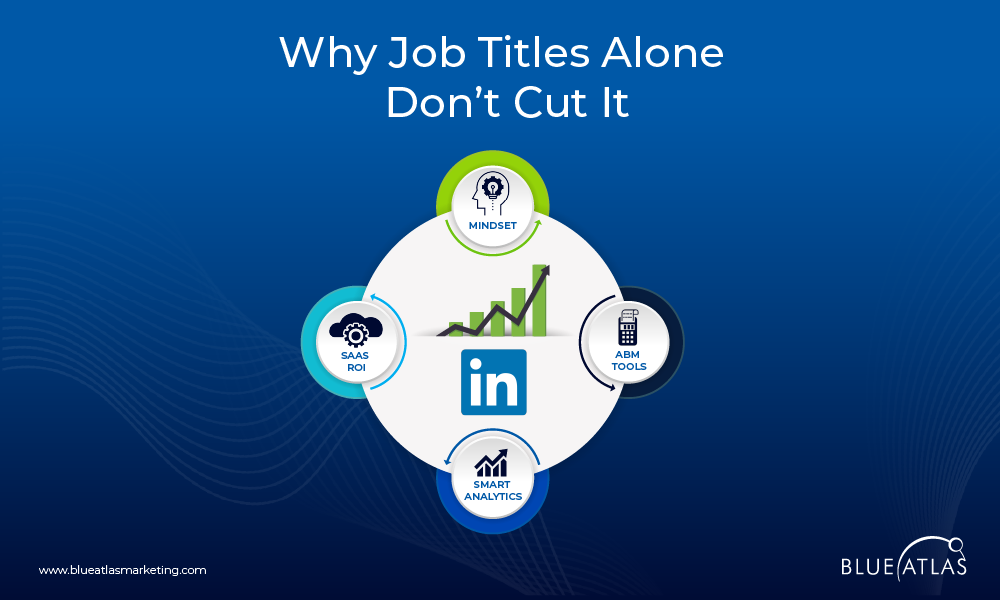
Relying on job titles alone? You’re only scratching the surface. LinkedIn recognizes about 55% of job titles cleanly.
That means you’re missing nearly half the potential audience if you don’t broaden your filters.
The smarter move? Use job function + seniority (it expands reach up to 1.8× without watering down relevance).
This approach also gives you better targeting in verticals like tech, finance, or healthcare.
Combine “industry” with “company size” to speak to businesses that match your ideal customer profile.
Whether you’re after startup CTOs or enterprise HR leads, these filters help you land the message in the right inbox.
Plus, with LinkedIn’s Professional Demographics tool, you can see exactly which segments clicked, converted, or bounced.
That data makes your next round smarter. Fewer wasted clicks. More focused spend. Better leads.
The Impact on Lead Quality and Engagement
LinkedIn’s precision targeting doesn’t just look good on paper; it performs.
In 2025, over 40% of B2B marketers rank it as their top source for high-quality leads.
It also drives 80% of all B2B leads generated from social media, leaving platforms like Facebook and X far behind.
The platform’s ability to blend brand exposure with direct lead generation pays off—audiences who see both types of messages are 6x more likely to convert.
And thanks to Native Lead Gen Forms with pre-filled data, advertisers are seeing conversion rates between 10–15%, easily outperforming standard landing pages.
With over 1 billion users (including 65 million decision-makers), the audience is there.
And if you’re targeting right, the results follow.
Why LinkedIn Isn’t Just Another Ad Platform
When B2B teams look for results (not just reach) LinkedIn keeps showing up in the reports.
Below are four strengths that explain why the platform performs especially well for enterprise, SaaS, and high-consideration buyers.
Traffic That Thinks in Business Terms
The result? Ad interactions on LinkedIn aren’t accidental. They’re deliberate, which gives B2B marketers an advantage most platforms simply can’t replicate.
Where SaaS and Enterprise Ads Actually Convert
If you’re in SaaS, tech, or enterprise services, this stat should catch your eye: LinkedIn Ads routinely convert at 5–15%, depending on funnel stage.
And Lead Gen Forms? They’re pulling 13%+ conversion rates—often 2x to 5x better than sending users to external landing pages.
Why? Because LinkedIn isn’t just traffic—it’s qualified traffic.
The people clicking are typically already in-market or are decision-makers browsing with intent.
For B2B campaigns that involve multiple stakeholders or long sales cycles, this makes a measurable difference in both lead quality and pipeline momentum.
In short, LinkedIn may not generate volume at Meta scale, but if you’re measuring success by pipeline, not just traffic, it’s often the better bet.
ABM and B2B Tools That Actually Matter
LinkedIn’s toolkit for account-based marketing isn’t fluff—it’s built for B2B teams who actually want control over who sees what, and when.
| Tool | What It Enables |
|---|---|
| Matched Audiences | Upload CRM lists or retarget site visitors to focus on known, high-value contacts. |
| Company Name Targeting | Serve ads to specific companies for hyper-relevant messaging and ABM campaigns. |
| Sales Navigator Integration | Sync sales and marketing efforts with shared insights and contact-level context. |
| Account + Contact Targeting | Target both decision-makers and influencers within your key accounts. |
| AI Engagement Signals | Identify accounts already engaging with similar content to prioritize outreach. |
| Dynamic Ad Creatives | Automatically customize ad text/images based on viewer’s job title or company. |
| Demandbase / Engagio Sync | Integrate seamlessly with enterprise ABM stacks for unified targeting strategies. |
Campaign Management That’s Finally Smart
Managing ads on LinkedIn used to feel clunky. Not anymore.
The platform’s newer tools have made campaign building and performance tracking a lot more intelligent—and way less manual.
Let’s start with Media Planner & Forecasting. It lets you see projected reach, spend, and results before launching your campaign.
Then there’s campaign duplication, which saves time if you’re running multiple tests across similar audiences.
For deeper insight, the Measurement Insights Dashboard breaks down exactly what’s working by segment, creative, or funnel stage.
Dynamic UTM tracking and conversion attribution upgrades finally give B2B teams visibility into the buyer’s path, even across longer cycles.
One of the biggest boosts in 2026? AI-powered digests that summarize performance and suggest optimizations without requiring a full-time analyst.
You also get Brand Lift Enhancements to track perception shifts, not just clicks.
All of this feeds into the Marketing Overview Snapshot–a centralized view of how your campaigns connect to broader business goals.
It’s not about shiny features…it’s about actionable control.
And LinkedIn has finally caught up to the needs of modern B2B teams that demand both speed and strategy.
What Holds LinkedIn Ads

No platform is perfect, and for all its targeting strength, LinkedIn comes with trade-offs.
These are the realities B2B marketers need to consider before pushing ad spend too far, too fast.
The Price of Precision: It’s Not Cheap
LinkedIn ads doesn’t come cheap. While it delivers higher lead quality, the upfront costs are significantly steeper than Meta’s or Google’s.
The bottom line? These numbers can feel like a dealbreaker for businesses without a high-ticket offer or long customer lifetime value.
You’re paying a premium to reach decision-makers, and that can be worth it, but only when margins allow for it.
Not Built for Scale Like Meta or Google
One of LinkedIn’s biggest weaknesses? Its audience size. Compared to Meta’s billions or Google’s global search volume, LinkedIn operates in a tighter lane.
It’s professional, but it’s small. This has real consequences for advertisers trying to scale.
Most campaigns are said only to reach 50%–70% of their defined audience. That’s not due to poor targeting–it’s because LinkedIn’s niche user base runs out faster.
Once your ads have shown to everyone on your target list, saturation kicks in. And with fewer users to rotate through, costs rise even faster.
This isn’t to say LinkedIn can’t support growth (it absolutely can), but it’s not ideal for mass-market awareness or top-funnel volume at scale.
If your campaign needs broad reach fast, platforms like Meta or YouTube will stretch further for the dollar. LinkedIn shines in precision, not population.
Ad Fatigue Hits Harder Here
LinkedIn’s highly specific targeting is a double-edged sword. The more narrowly you define your audience, the faster you risk burning them out.
When users see the same ad multiple times (especially without a creative refresh), they get ad fatigue.
Click-through rates drop. Costs climb. And worst of all, sentiment starts to shift. People begin to ignore the ad entirely or even react negatively to the repetition.
The platform doesn’t offer built-in frequency caps like Meta does. That means it’s on you to rotate creatives, manage timing, and monitor performance closely.
Many first-time advertisers don’t realize this until it’s too late–after their best audience has already tuned them out.
If you’re targeting niche senior roles or running a narrow ABM list, fatigue happens faster.
You’ll need to factor in creative variety as part of the strategy, not just a nice-to-have. Otherwise, great targeting can go stale fast.
Steep Learning Curve for First-Time Advertisers
For seasoned digital marketers, this might be fine. However, LinkedIn can feel frustratingly manual and opaque for small teams or businesses new to paid media.
You’re expected to know the audience structure, how to build targeting segments, how to test creative, and when to adjust bids, like this:
If you do put in the time to learn, the platform offers serious control. But until then, expect a slower ramp-up and a few expensive lessons along the way.
What LinkedIn Ads Can (and Can’t) Do for You
LinkedIn Ads aren’t a one-size-fits-all solution. Knowing whether your business fits the model could save you thousands in ad spend.
| Best Use Cases | Not Ideal For |
|---|---|
| B2B brands selling high-ticket or long-cycle products | Brands targeting general consumers |
| SaaS companies focused on decision-makers or niche teams | Campaigns needing mass awareness or viral reach |
| Consultants or agencies selling premium professional services | Startups with tight budgets and small deal sizes |
| Industries where roles, seniority, and company size matter | Products with broad appeal, little segmentation needed |
| Account-based marketing campaigns with CRM data to retarget | “Spray and pray” campaigns without clear audience targeting |
Roughly 40% of B2B marketers say LinkedIn delivers their highest-quality leads. But that quality comes with a cost.
If your deal size is under $1,000, or your audience is wide and undefined, you’ll likely get more bang for your buck on platforms like Meta or Google.
Who Should Actually Be Using LinkedIn Ads
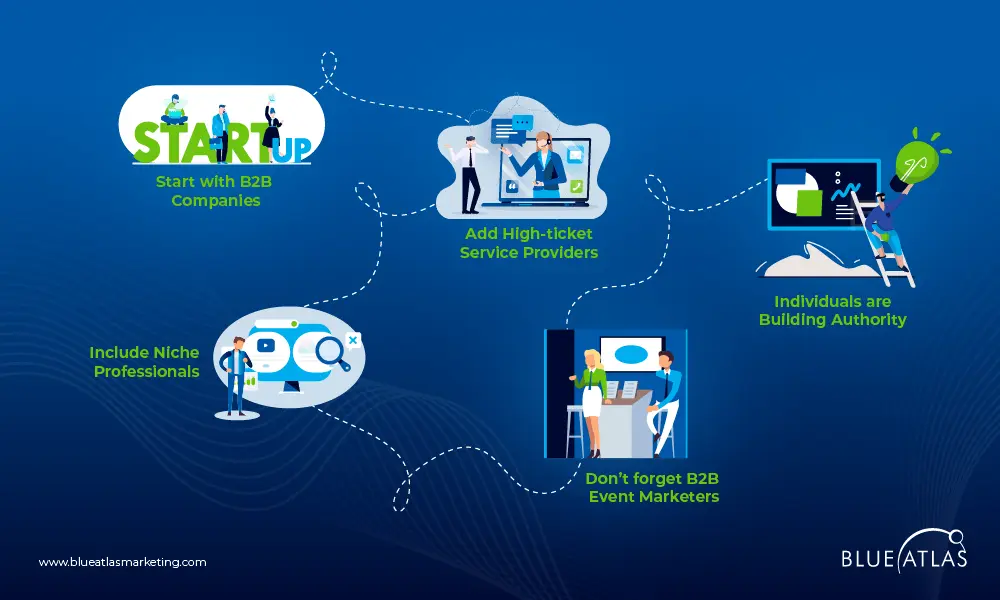
If your business falls into any of these categories, LinkedIn isn’t just “nice to have.” It might be the only platform built for your kind of lead.
Frequently Asked Questions (FAQs)
How much should I budget to see results?
Start with at least $2,000–$3,000/month to gather meaningful data and generate quality leads. This total budget provides enough room to test various formats and optimize for meaningful engagement.
Are LinkedIn Ads worth the higher cost?
Yes—if your offer has a high deal size or lifetime value. The platform excels at delivering valuable content to professionals actively engaged in business solutions, making it ideal for high-intent campaigns.
Do LinkedIn Ads work for small businesses?
They can, but only if your audience is specific and your pricing justifies the cost. Reaching targeted LinkedIn members with precision can make a significant impact when done strategically.
What impacts ad performance the most?
Targeting precision, creative quality, and offer relevance. The right type of ads matched with compelling messaging ensures your campaign resonates and drives the desired action.
Can I run ads without Sales Navigator?
Yes, but pairing it with Sales Navigator enhances ABM strategy. Utilizing LinkedIn Audience Network can also expand your reach beyond the platform while maintaining professional targeting accuracy.
Maximize LinkedIn advertising by aligning your campaign objective with the right types of LinkedIn ads. It’s highly effective for generating qualified B2B leads through precise targeting and strong engagement from decision-makers.
While not ideal for cheap clicks or mass reach, LinkedIn excels when promoting complex products or high-value services. For businesses focused on quality over quantity, it remains one of the most powerful platforms for driving real results.
Connect with Blue Atlas Marketing
Want help making LinkedIn Ads actually work for your business?
Let’s build a smarter, more powerful LinkedIn marketing strategy together. Contact us today to get started!